091-774-6666
  @whospital
Fat Grafting
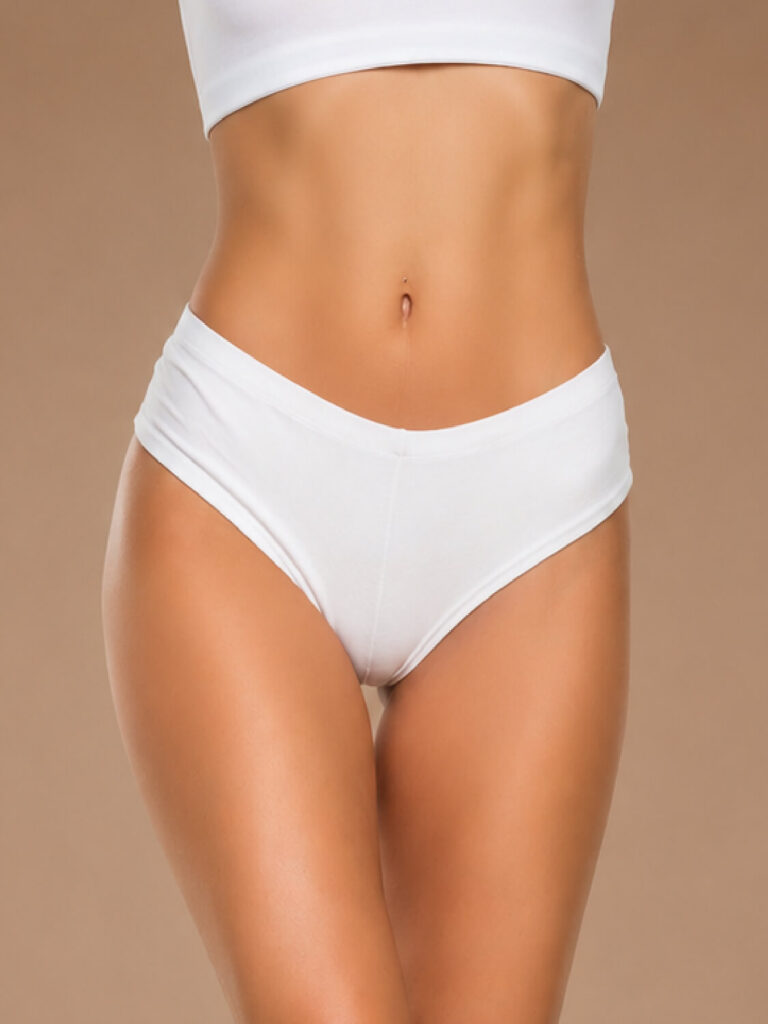
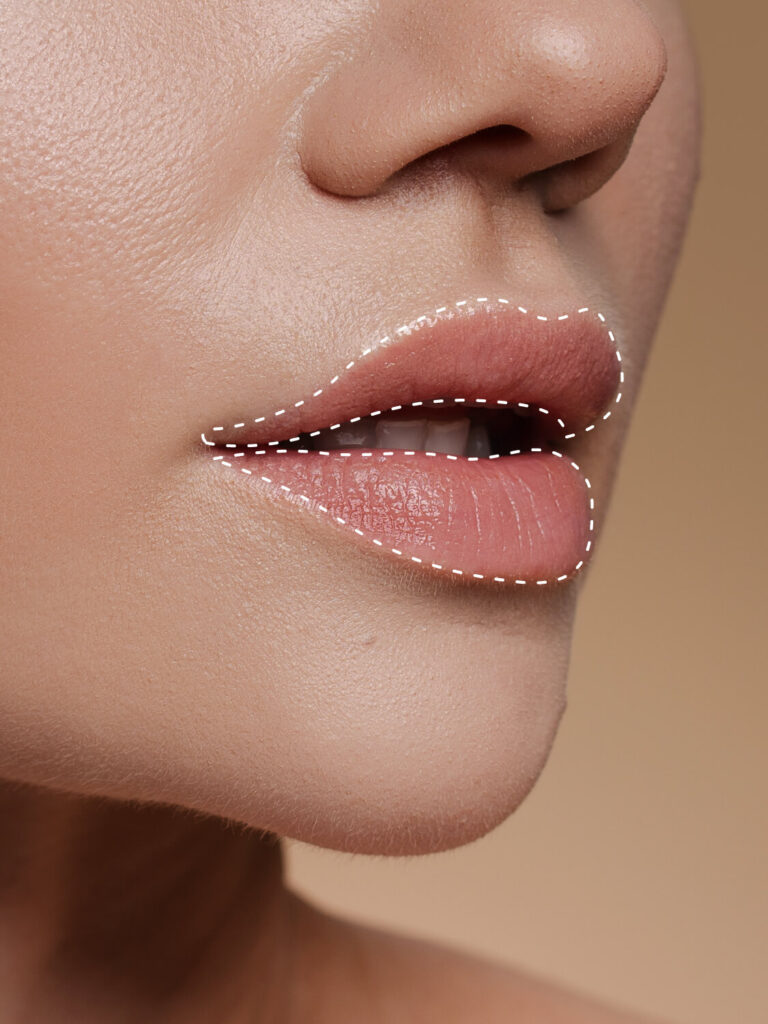
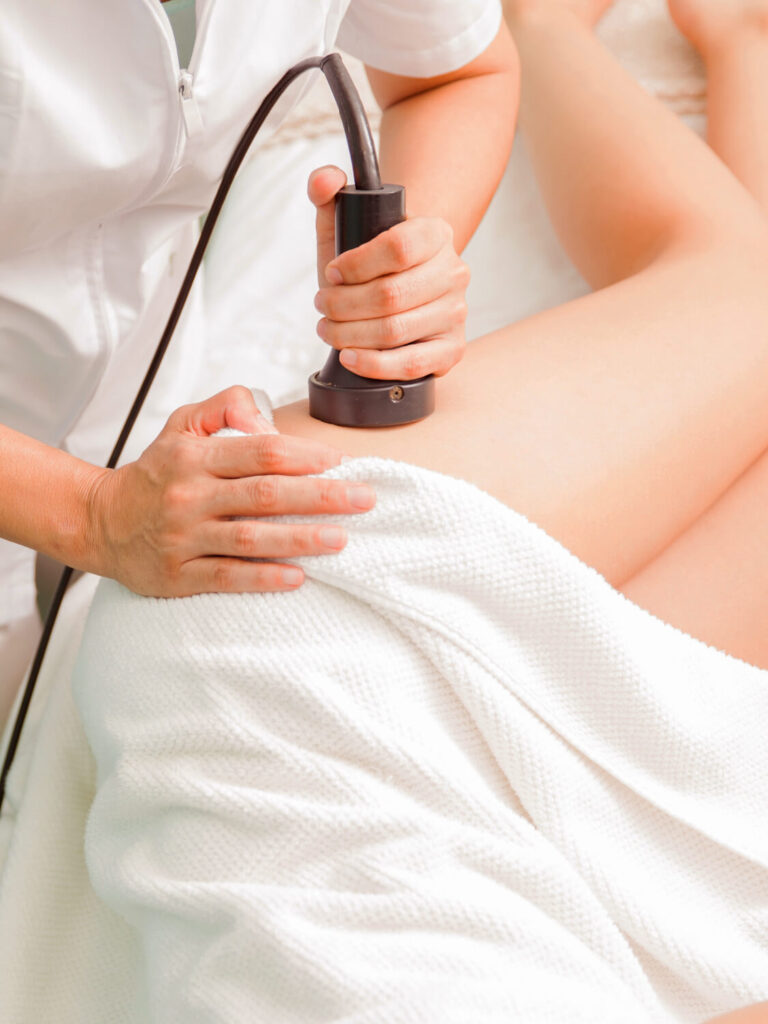
Suctioning out your own excess fat and injecting it to plump up areas of the face that have lost volume and definition.
Fat grafting suits people who have enough excess fat to harvest and who want to add a large amount of volume to an area, such as hollow cheeks and sunken temples.
Suitable for
Those who want to plump the skin with fat
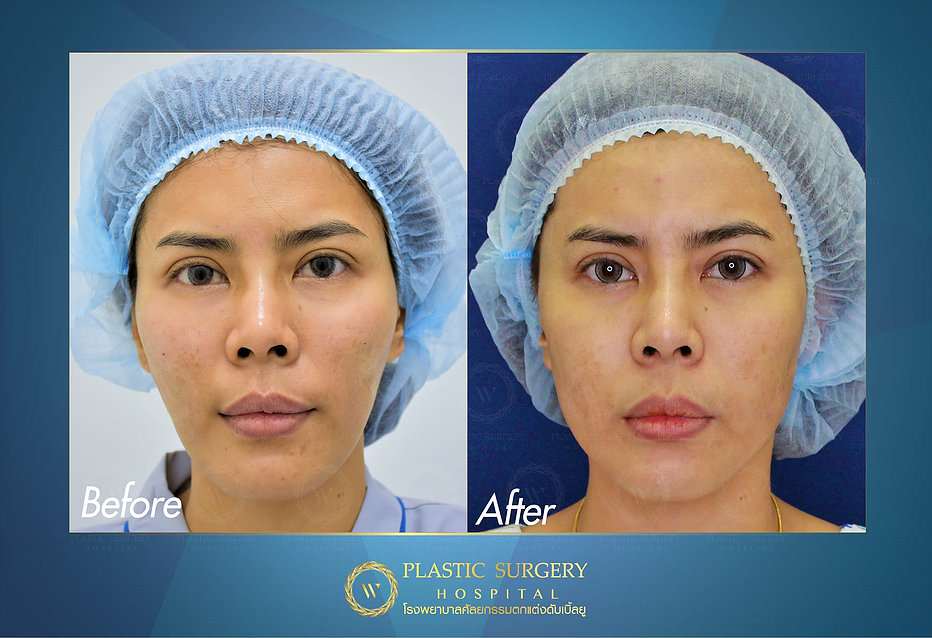
Corrects nasolabial folds, sunken temples, hollow cheeks and a flat forehead
Benefits
Helps plump the skin with your own fat, safely
Corrects nasolabial folds, sunken temples, hollow cheeks and a flat forehead
Lower risk of an allergic reaction, because it is your own fat
Visible results immediately after the treatment
FAQ
How often does fat grafting need to be repeated?
Fat can be re-injected every 1-2 years, depending on your physical condition and on how far the injected fat gradually settles and shrinks.
Can I use a sauna?
Avoid it for at least 1 week.
Which part of the body is the fat taken from?
The doctor normally recommends taking fat from an area where a fair amount has accumulated, such as the abdomen or the thighs. If you have a slight build, fat can be taken from other areas, such as the upper arms or hips.
Is there any chance of an allergic reaction to fat grafting?
Because fat grafting uses your own fat, the chance of an allergic reaction is very low. In people who do experience irritation, this may be caused only by the numbing cream applied before the fat injection step.
If I exercise or lose weight, will the injected fat disappear?
If you lose weight, some of the added fat may be lost along with it, but it does not disappear all at once. If your weight stays stable, the fat on the face lasts the longest.
If fat is suctioned out for body contouring, can it then be injected into the face?
Fat obtained from liposuction for body contouring cannot be injected to add volume, because the process of liposuction is different. The instrument used for liposuction (for body contouring) applies energy to break the fat apart before it is discarded, which destroys the living stem cells in the fat, so it is not effective for injecting into the face.
For a free consultation, click here.